19 October 2026
What a right of entry agreement covers before you option the land
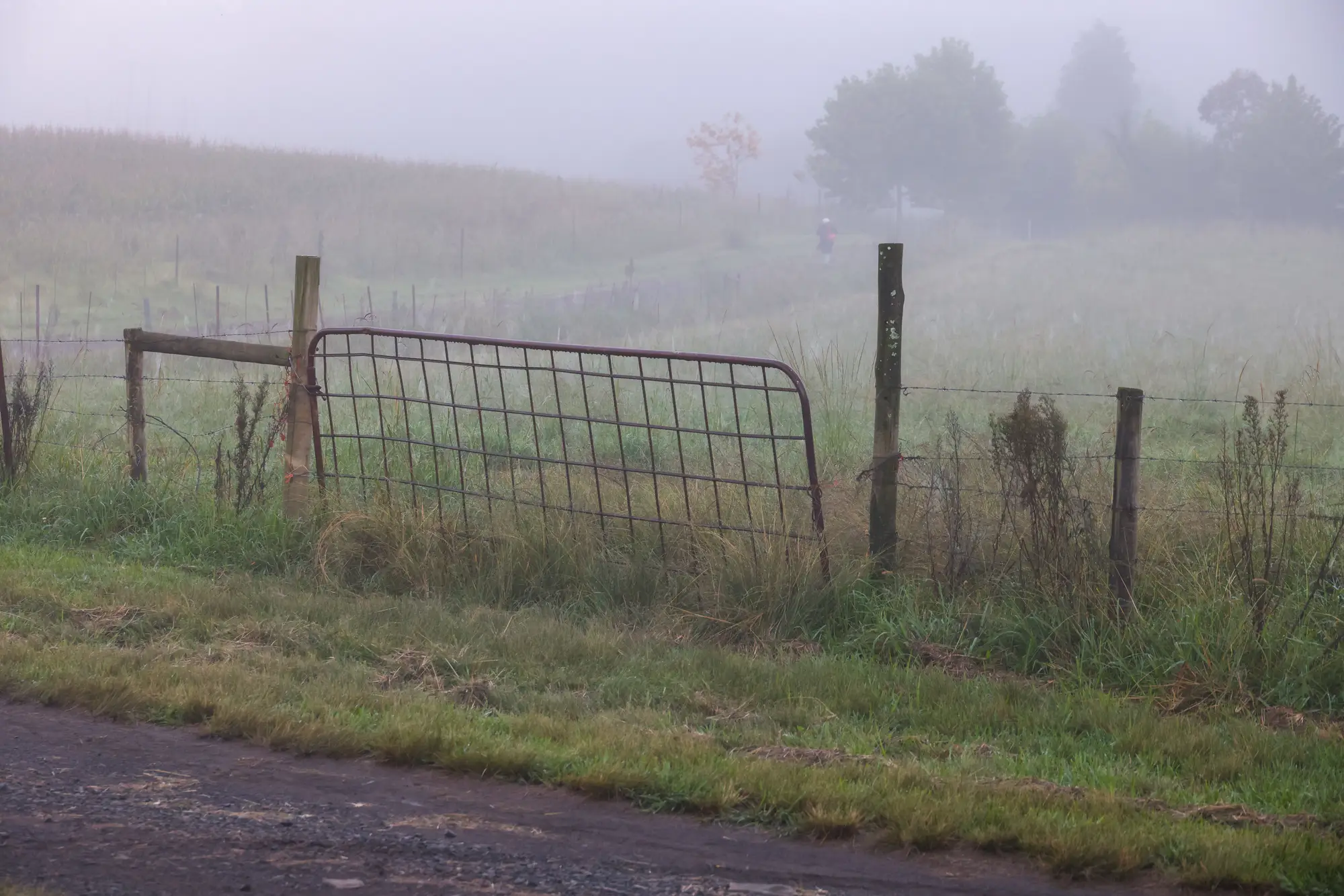
A right of entry agreement is the first paper a developer signs on a parcel, before anyone talks option terms or lease rates. It gives your survey crew, your geotech contractor, or your environmental consultant permission to walk the land, drive down the access road, drop a piezometer, or fly a drone for a wetland delineation. It grants no right to build anything and doesn't lock up the site. It just lets you run the diligence that tells you whether the site is worth locking up at all.
Why the ROE comes before the option
An option agreement is a real commitment on both sides. The landowner takes the parcel off the market for a term, often several years, in exchange for an annual payment and a much larger payment if the project actually gets built. That's real money and a real constraint on the landowner, so most landowners, and most developers, want the site to clear basic feasibility screens first: wetlands, slope, setback distances from the house, a title check for mineral rights or existing easements that would eat into the layout.
The ROE is cheap, short, and narrow by comparison. It typically runs a few months to a year, covers specific activities such as geotech borings, wetland delineation, or cultural resource survey, and often carries a modest signing payment or none at all. A developer who signs an ROE first has spent a few thousand dollars and a few months finding out the site has a pipeline easement running through the best panel field. A developer who skips straight to option finds that out after a five-figure payment is already on the table.
Some teams do skip the ROE, usually on smaller infill parcels next to an interconnection point they already understand well. On a greenfield site with an unresolved queue position or an unmapped wetland boundary, skipping it just pushes the diligence risk into the option term, where walking away costs more.
What a land access agreement actually authorizes
In the field, the ROE is usually called a land access agreement, and the good ones are specific about what the crew can do and when. They name the activities, soil borings to a stated depth, a defined survey corridor, a set window of dates, and they require insurance, a liability release, and restoration obligations if a crew tears up a hay field putting in access ruts. Landowners who've dealt with wind or solar developers before will push back on vague language like "and related activities," because that clause is the one that turns into a bulldozer showing up six months later without a second conversation.
Knowing who already walked the site
For a BD team working a multi-parcel pipeline, the ROE stage is also where you find out whether anyone got there first. A landowner mentioning that "the other company already put stakes in last spring" used to be the kind of thing that only came up if someone happened to ask during a site visit. It's worth asking directly: has anyone else approached you about this parcel, and did you sign anything with them.
That conversation only works if the landowner remembers, or is willing to say. A lot of BD teams instead find out a competitor already ran geotech on a candidate parcel from the fencing, the graded pad, or the survey stakes still sitting in the field, not from anything the landowner volunteered. A quarterly satellite pass checked against your watch list flags that kind of fencing or clearing before your team spends a day driving out to a site someone already worked.
If a parcel on your list has gone quiet for two quarters and you can't tell whether that's because nothing happened or because nobody looked, it's worth checking before you draft the next ROE.