16 November 2026
How to tell a stalled interconnection application from a withdrawn one before you bid
A BD analyst pulls the latest queue report, finds the project, and reads the status column: Active, Withdrawn, Suspended, IA Executed. Case closed, right? Not quite. That field tells you what the ISO's database says today. It doesn't tell you what happened at the site, or why, or how long ago the developer stopped paying attention to it.
Queue reports are a snapshot, and snapshots are stale the moment they're published. A project can sit at "Active" for a year after the developer has effectively walked away, because nobody filed the withdrawal letter yet. Another can show "Withdrawn" at one queue position while the same team quietly refiles under a new project ID at the identical point of interconnection, keeping the site very much alive. If you're deciding whether to spend diligence dollars on a candidate site, the status code alone will mislead you about as often as it helps.
What a stalled application looks like on paper
A stalled application is usually still technically active, but it has fallen behind on the things that move a queue position forward: a missed milestone payment, a security deposit that was never posted, a cluster restudy that pushed the interconnection agreement date out eighteen months with no corresponding action from the developer. Under the newer cluster-study frameworks (MISO's DPP cycles, PJM's reformed process), long gaps between study phases are normal and don't signal abandonment on their own. The tell is whether the developer is doing anything during that gap, or whether the position is just sitting there accruing deadlines nobody's meeting.
Check the milestone schedule against the posted date, not against when you happen to be reading the report. A deposit that was due six months ago and hasn't shown as paid is a stronger signal than the status field itself.
What a true withdrawal looks like
A true withdrawal shows up as a formal status change with a date attached, and often a short explanation in the queue administrator's notes: cost allocation came in too high, the SIS results killed the economics, the developer lost site control. That's the clean case. The messier one is a withdrawal that's really a refile: same developer, same POI, a new application number because the old study results no longer applied under a revised interconnection request. Search by project name or the old queue number and you'll miss that the site is still spoken for.
Search the queue report by point of interconnection before you conclude a position is open. A search by project name alone can miss a refile filed under a new application number at the same POI.
Where the queue paperwork and the dirt disagree
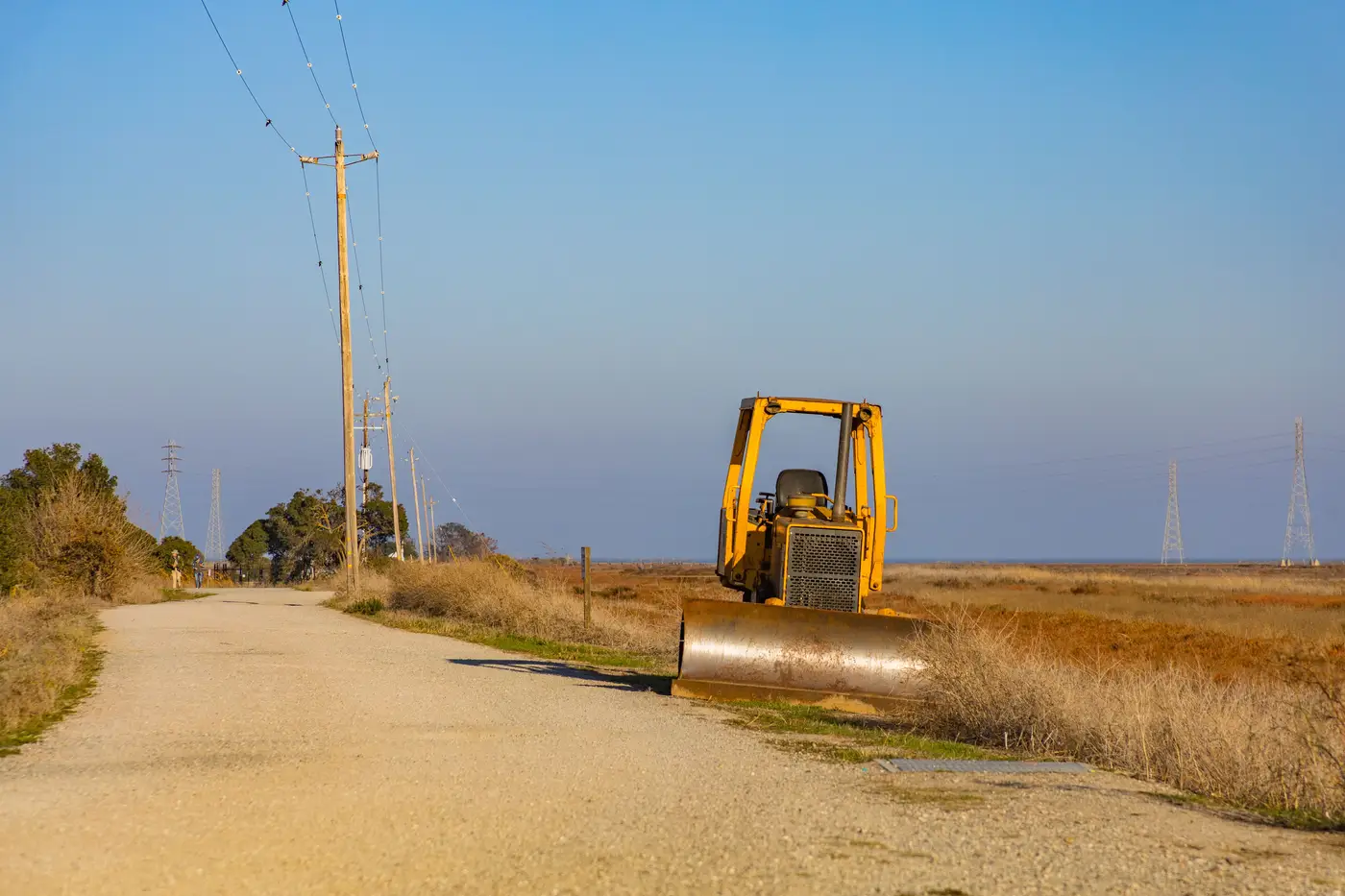
The gap that costs developers money sits between what the queue report says and what's physically happening on the parcel. That matters more than the regulatory line between "stalled" and "withdrawn." A project can hold an executed interconnection agreement and still have no fencing, no grading, no met tower, nothing, eighteen months past the date that agreement implied construction would start. On the flip side, a project that's gone quiet in the public queue filings can still have crews on site clearing access roads, because the paperwork update lags the dirt work.
That's the piece a desk review of queue reports can't settle on its own, and it's why some BD teams used to send someone to drive past the site before greenlighting a proposal. Renewable Pipeline Tracking runs that check from a quarterly satellite pass instead, flagging fencing, clearing or construction on candidate sites on a watch list so a developer can see whether someone beat them to the ground before spending on a bid.
A short list before you commit diligence hours
- Pull the queue report filtered by POI, not just project name, to catch refiles.
- Line up milestone payment and deposit deadlines against the report's actual posting date.
- Check county recorder filings for a lapsed or extended landowner option.
- Look for any competing lease or easement filed on the same parcel.
- Confirm whether anything has physically changed on the site since the last agreement milestone.
None of these alone tells the whole story. Together, they narrow "the status field says Active" down to something you'd actually bid against. If the queue data and the ground stay in disagreement long enough on a site you're watching, that's worth a second look before the proposal goes out.
If a site keeps showing paperwork that says one thing and ground conditions that say another, that's the pattern Renewable Pipeline Tracking is built to catch.