9 November 2026
How to tell a dormant solar lease from an abandoned one before you re-approach
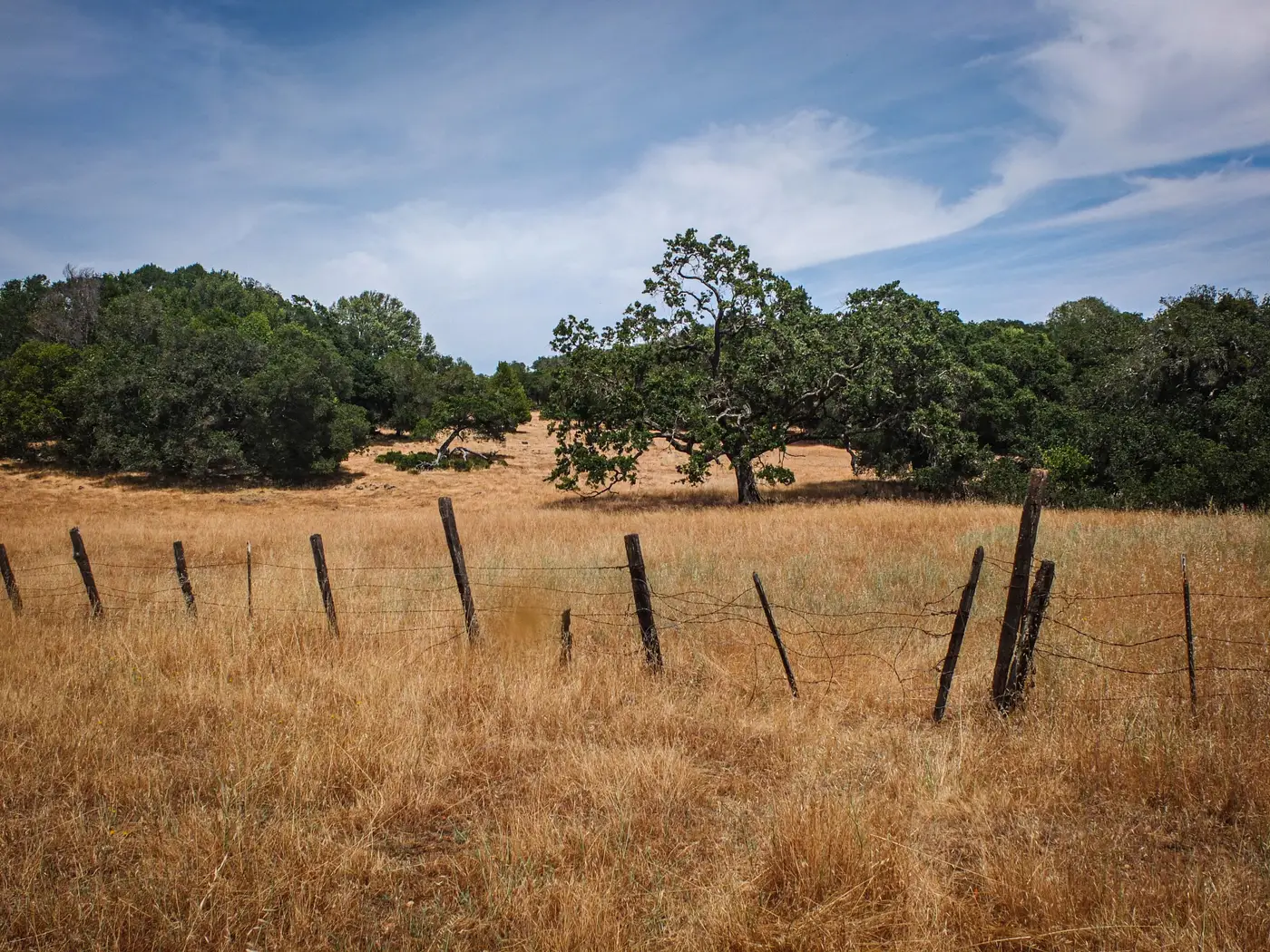
A site goes quiet. No stakes in the ground, no trucks on the access road, nothing posted at the county recorder since the option was signed three years back. Your BD team wants to know if it's worth a knock on that landowner's door again, or if someone else still has paper on it and just hasn't done anything visible yet.
That distinction matters more than it sounds. Re-approach a landowner who's still under option to a competitor and you've burned a relationship for nothing, maybe tipped your hand on a site you want too. Sit on a genuinely abandoned site too long and someone else picks it up first.
What separates "dormant" from "abandoned"
Dormant means the paper is still live. The option term hasn't run out, or it has but got extended and nobody filed the amendment where you'd easily find it. The developer holding it might be waiting on an interconnection study, re-scoping the project boundary, or just slow. Nothing on the ground has to change for a lease to stay dormant and fully enforceable.
Abandoned means the legal hold has lapsed, usually because the option term ran out and nobody exercised it, extended it, or recorded anything to keep it alive. The landowner is free to talk to someone new. The problem is that "expired" and "dormant but still theirs" look identical from a windshield survey. A fence line sitting untouched doesn't tell you which one you're looking at.
Three things separate the two in practice:
The recorded instrument. Pull the option or lease off the county recorder's site if your state publishes these. Check the term length and whether an extension or amendment was filed before expiration. A lot of solar options run two to three years with one or two renewal windows built in. A term that's clearly lapsed with no extension on file is a reliable signal by itself, independent of whatever the parcel looks like.
The interconnection queue. If the project had a queue position, check whether it's still active or was withdrawn. A withdrawn application on a site that's otherwise quiet is a strong sign the original developer walked away. A live queue position on a site with zero ground activity usually means dormant, not abandoned. Somebody's still paying to hold that spot.
Physical change on the parcel. One site visit shows the parcel as it looked that day: fencing, clearing, grading, a met tower, a laydown area, whatever's there or isn't. Compare what's there now against what was there three or six months back. Zero change across multiple checks spaced months apart is a stronger abandonment signal than one visit with nothing visible.
How long before a quiet site is fair game again
There's no fixed number that applies everywhere, and any guide that gives you one is guessing. What you can say is this: once the recorded term has expired, no extension is on file, the interconnection position is withdrawn or stale, and the parcel has shown no physical change over a meaningful stretch (most BD teams work somewhere in the six-to-eighteen-month range depending on project type and market), re-approaching is reasonable. Shorter than that and you risk running into paper that's still enforceable even if the site looks untouched.
Most BD leads admit they check more often than they'd like to, because the alternative is a landowner call that opens with "we're still under contract with the other folks." That's the gap a quarterly watch-list check is built to close: a dated flag on whether fencing, clearing, or construction has shown up since the last pass, so the inactivity you're counting on is confirmed rather than assumed.
Before the next re-approach goes out, it's worth a look at whether Renewable Pipeline Tracking can confirm that the site's really gone quiet.