19 October 2026
Field notes: the week we found grading on a site we thought was still in diligence
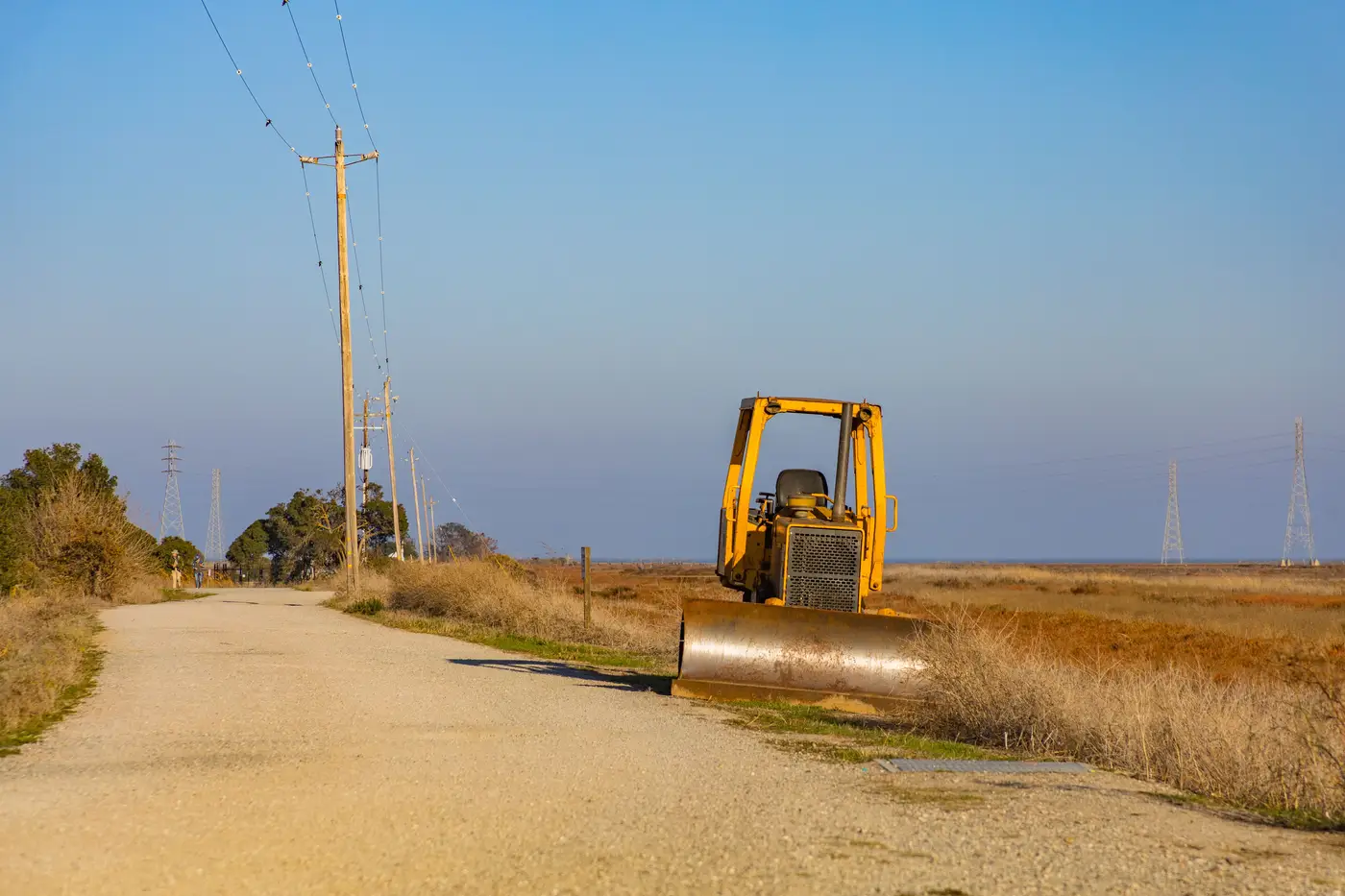
There's a particular kind of quiet that settles over a BD desk in the hour after someone opens a parcel file and sees something that shouldn't be there yet.
The site in question had been sitting in mid-stage diligence for about four months. Option agreement signed, interconnection application filed, a couple of landowner calls still pending on the back forty. Nothing urgent. The kind of candidate that sits comfortably in the middle of a pipeline spreadsheet while the team works the sites ahead of it and behind it.
Nobody had driven past it in weeks. Why would they? Diligence on a site like that is mostly paperwork and patience, not boots on gravel.
Then a routine imagery recheck turned up a cleared access road running straight off the county line into the parcel, and a graded pad sitting where the substation tie-in was supposed to go.
That's the moment the story usually splits into two versions, depending on who's telling it. The optimistic version is that it's a misread, a county drainage project, a neighboring timber harvest that happens to end right at the fence line. The other version, the one that turns out to be true more often than anyone wants to admit, is that somebody else got there first. Not necessarily with a signed lease on the whole parcel. Sometimes just enough land control to start site prep while the rest of the paperwork catches up behind them.
Grading ahead of a fully executed agreement isn't unheard of. Developers push schedule when they're confident, and confidence on a parcel usually means they've already cleared the landowner conversations that matter. By the time dirt moves, the deal is functionally done even if the county recorder hasn't caught up. Which means by the time a competing developer notices the grading, they're not looking at a live opportunity anymore. They're looking at a sunk cost they haven't spent yet, and a decision about whether to keep working a site that's already been won by someone else.
What's striking about these stories, when you collect enough of them, is how rarely anyone catches it on purpose. It's almost always incidental. Someone happens to be checking a neighboring parcel and the imagery catches the one next door too. Someone's flying out for a different site visit and takes the long way around. The actual discovery is luck dressed up as diligence, and the four or six or ten weeks between when the ground changed and when somebody noticed is exactly the window where a BD team can spend real money, real legal hours, and real internal credibility chasing a site that's already spoken for.
The fix most teams reach for is a standing instruction to "keep an eye on" the watch list, which in practice means somebody's cousin drives past a site when they're in the area, or an analyst requests fresh imagery when a deal starts to feel slow. It works until it doesn't, and the gap between those two states is invisible until a graded pad shows up in a frame nobody was expecting to look at closely.
That gap is the whole argument for checking a pipeline on a schedule instead of on a hunch. A quarterly look at every site on a watch list, not just the ones that feel like they might be moving, catches the parcel that nobody thought to flag because it wasn't the loud one. Renewable Pipeline Tracking runs on that exact habit, sending a dated flag on fencing, clearing, or construction so a developer sees the change while there's still a bid budget left to protect.
The team that found the grading on their "still in diligence" site didn't lose anything they'd already spent. They lost the next six weeks they would have spent chasing it. That's a cheaper lesson than most, and still one worth not learning twice.
If a site on your list has gone quiet in a way that feels more like someone else's activity than your own patience, it might be worth a look before the next bid goes out.