2 November 2026
Field notes: the parcel we almost bid on until the fence line told us someone had
We had the pro forma basically done. 340 acres in a county we liked, decent interconnection distance to a substation with reported headroom, landowner contact warm from a cold call six weeks back. The kind of site where you start drafting the LOI before the option agreement is even signed, because everything lines up and nobody wants to be the reason the deal slips a quarter.
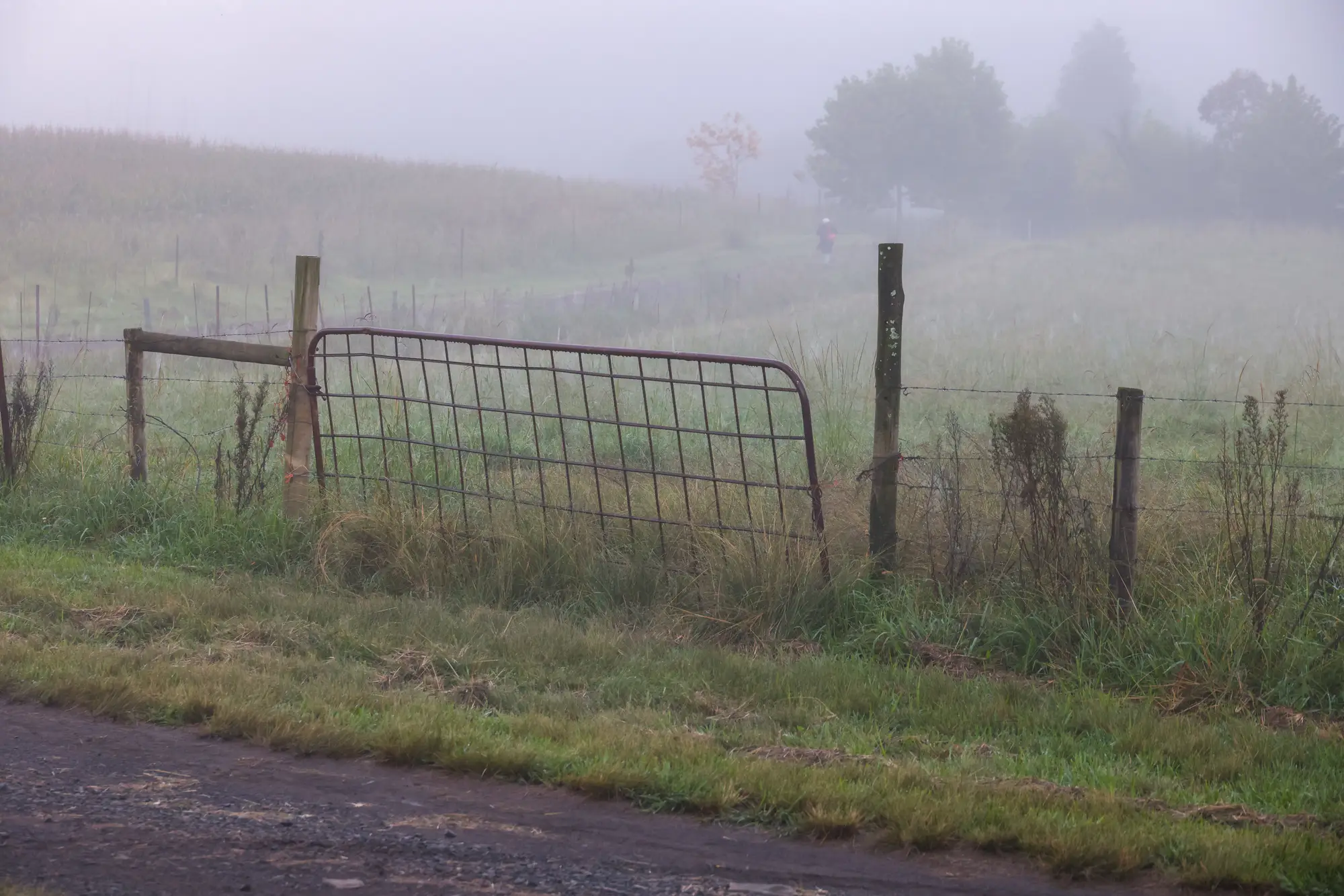
Then one of our land guys drove it on his way back from a different site visit, the way you do when you're already in the county and don't want to waste the mileage. He wasn't looking for anything in particular. He just noticed the fence line along the county road was new, not weathered, not sun-faded, new. The T-posts still had their galvanized shine, the wire hadn't sagged or dulled, and there was a gate cut in where there hadn't been one on the last aerial we pulled.
New fencing on a parcel you're circling is never nothing. Sometimes it's just the landowner keeping cattle off a hay field. But paired with a graded entrance road and what looked like survey stakes with pink flagging along the eastern boundary, it stopped being a coincidence. Somebody had already been on that ground, and they'd been there with a crew and a budget, not a weekend project.
We pulled the plat, called a contact at the assessor's office, and spent two days doing what amounts to detective work before we'd commit another dollar to diligence. Turned out a competitor had taken an option on the parcel four months earlier and quietly let their exclusivity period run while they did their own interconnection study. Nothing recorded publicly yet, nothing that would've shown up in a queue search, nothing a landowner conversation would necessarily surface either, since the terms of these options tend to come with their own confidentiality clause.
The frustrating part isn't that we lost the site. Sites get taken, that's the business. The frustrating part is how close we came to spending real diligence dollars, legal hours, and a term sheet negotiation on ground that had already been worked. If that drive-by hadn't happened to line up with a different trip, we might have found out at the LOI stage instead, or worse, after we'd already tipped our hand to the landowner that we were interested, which tends to get back to whoever already has the option.
This is the part of site control nobody writes case studies about: the windshield survey. Every BD team has some version of it, someone driving past a watch-list parcel because they happened to be in the area, or because a gut feeling said check it. It's a habit that depends entirely on who happens to be driving where and when. On a pipeline of forty or fifty candidate sites spread across three states, that habit covers maybe a tenth of what it should.
What we wanted wasn't a smarter guess about which parcels might be worked. We wanted to know, on a schedule, whether the ground itself had changed. Fencing, clearing, grading, a construction trailer that wasn't there last quarter. The kind of thing a windshield survey catches by accident, done on purpose instead.
That's the gap a periodic look at the actual parcels is built for, and it's the whole premise behind Renewable Pipeline Tracking: a quarterly pass over your watch list that flags what's changed on the ground since the last one, so the fence line tells you something before the term sheet does.
If your pipeline has more candidate sites than people to drive past them, it might be worth a look before the next one slips past you.