16 November 2026
Field notes: the dead project we dropped, and the fence that proved us wrong
Every pipeline has a graveyard. Sites that got scoped, scored, maybe even walked, then moved to the bottom of the tracker because the signs said someone had given up. We had one like that for the better part of two years. An interconnection-adjacent parcel, decent slope, a landowner who'd gone cold on a competing developer's option after what we heard was a dispute over easement terms. We marked it dead in our notes, moved our attention to three other candidates in the same queue, and didn't think about it again.
That's the part of the job nobody puts in the deal memo. A pipeline is a list you have to keep re-earning. Every site on it is also sitting on someone else's list, and their status doesn't update just because yours did.
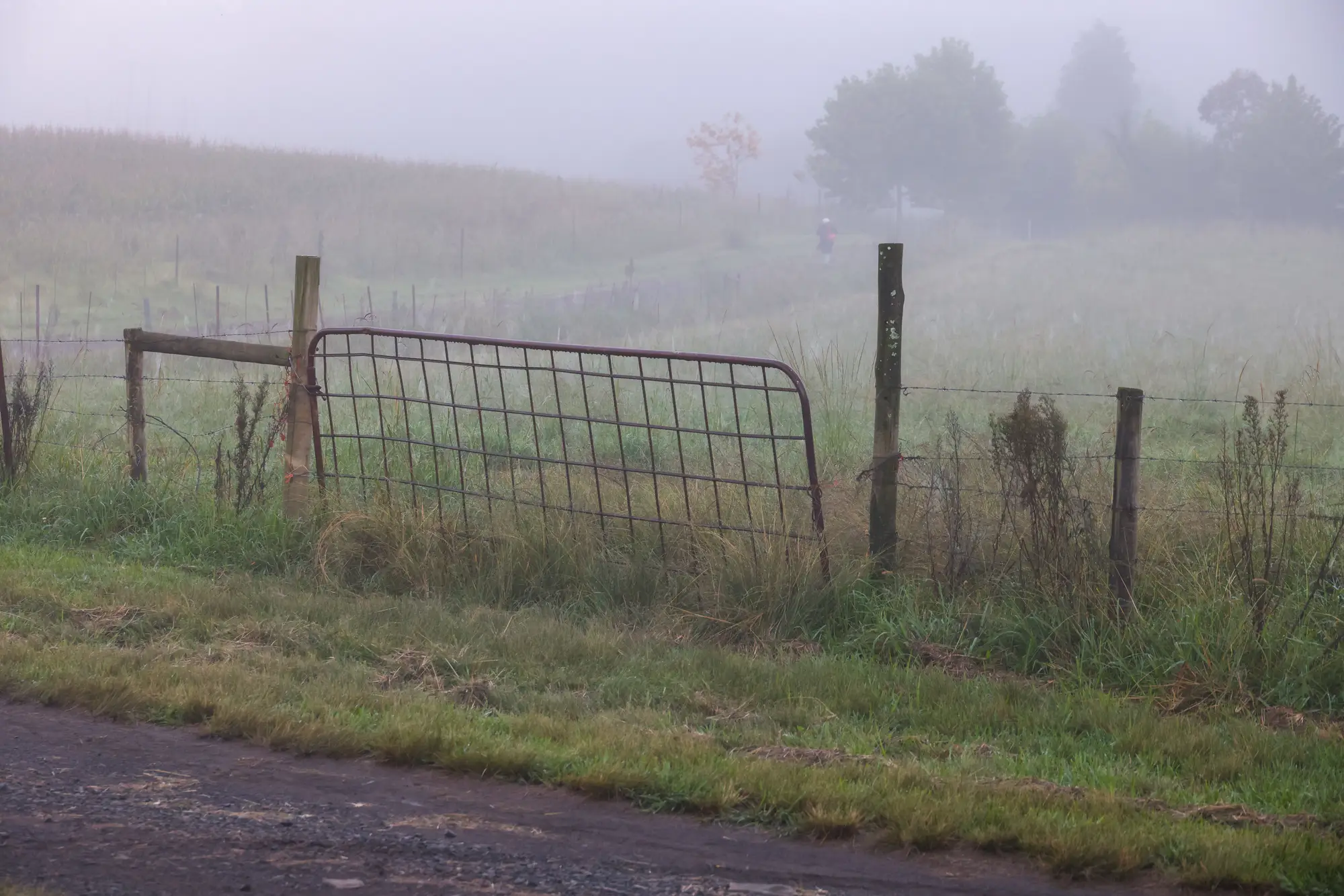
Eighteen months later, a landman working a different site for us drove the county road past that parcel and called it in. Fence posts, fresh gravel on the access cut, a laydown pad graded flat. Not a full site, nothing you'd call under construction, but enough ground disturbance that it wasn't "cold" anymore by any definition that matters to a BD team. Somebody had re-upped the option, probably after the original developer walked, and had been sitting on it long enough that nobody in our shop heard a word.
We'd been carrying that parcel as dead weight for a year and a half based on one conversation with one landowner at one point in time. The fence didn't care what we'd heard. The fence is what's actually true on the ground, and it had been true for who knows how long before anyone on our side happened to drive that road.
This is the failure mode that doesn't get discussed much, because it's embarrassing in a quiet way. Everyone talks about losing a site to a competitor who moved faster on a bid. Fewer people talk about carrying a dead site on the books, deprioritizing it, and getting blindsided when it turns out it was never dead at all, just dormant in a way nobody was watching for. The cost isn't the lost site. We'd have lost that one regardless once someone else had boots and fence posts down. The cost is the year and a half we spent not knowing, during which a dozen other calls got made on the assumption that parcel was soft ground we could come back to.
The fix we landed on wasn't more landman hours. Driving every parcel on a dormant watch list on a rotating schedule doesn't scale once the list gets past a few dozen sites, and the ones most likely to get skipped are exactly the ones everyone's already decided are quiet. What we needed instead was a way to check the whole dormant tier without a truck roll on each one, something that would flag the day a fence line or a cleared pad showed up on a site we'd stopped actively watching. That's closer to what Renewable Pipeline Tracking is built for: a quarterly pass over everything on the list, dormant sites included, that tells you when the ground changes instead of waiting for someone to drive past and notice.
We still keep a graveyard tier in the tracker. We just don't trust it to stay quiet anymore, and we check it on a schedule instead of a hunch. If you're carrying sites you've mentally written off, it's worth finding out what they look like today before a competitor's fence tells you first.