13 October 2026
Fencing vs. clearing: what each one signals on a candidate site
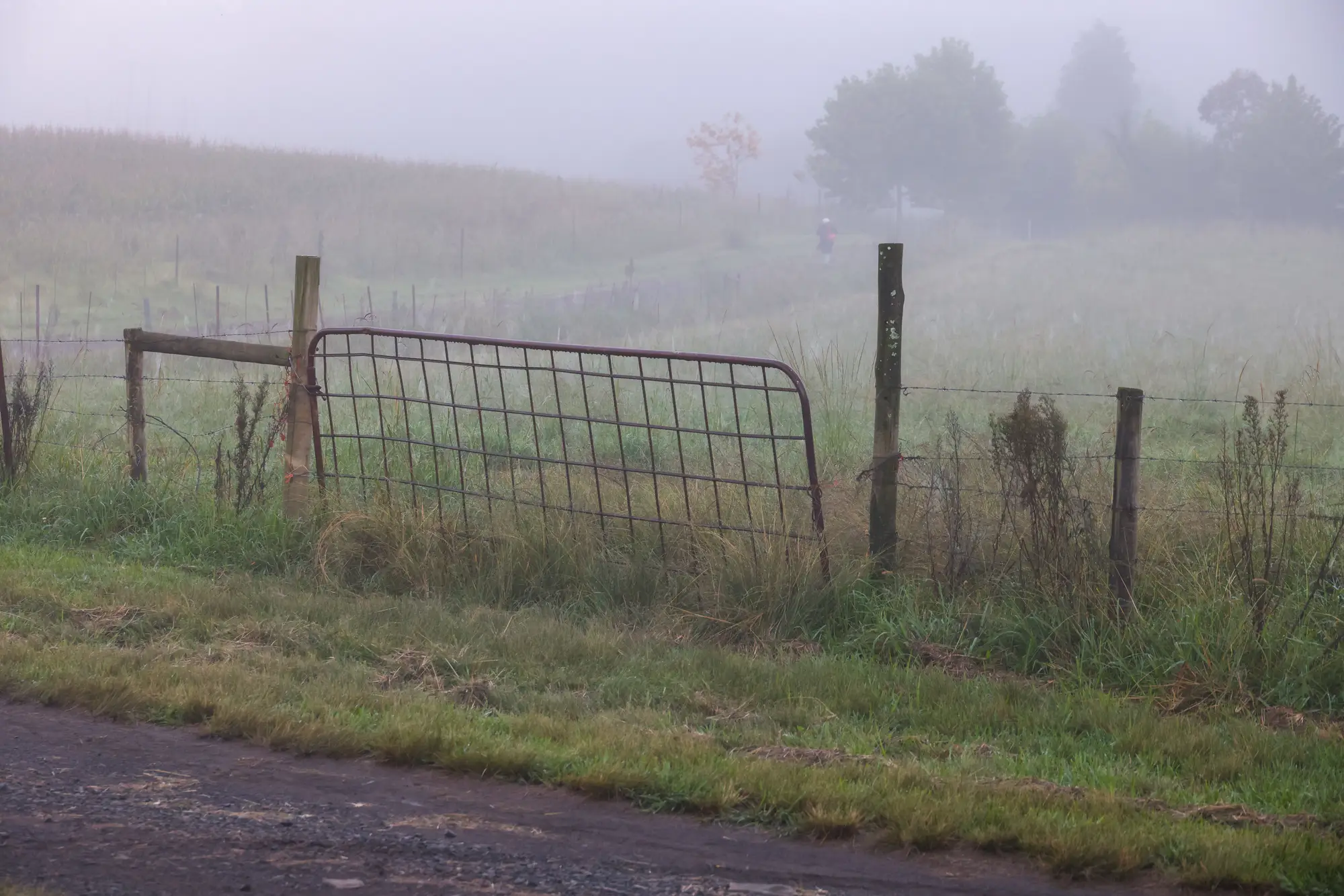
A BD analyst pulls up a parcel that's been sitting on the watch list for eight months. Last quarter it was bare. This quarter there's a fence line running the south boundary. Is that a developer locking down site control, or a landowner keeping cattle off a hayfield? The two look almost identical from the road, and the difference changes whether you spend the next two weeks on a proposal or pull the site from the queue.
Ground signals on a candidate parcel don't arrive all at once, and they don't all mean the same thing. Reading them in sequence, rather than as a single "something's happening here" flag, is what separates a useful check from a wasted trip.
What fencing alone tells you
A new perimeter fence is the earliest and weakest signal you'll get. It can mean a competitor has signed an option or lease and is securing the parcel against access disputes before survey crews show up. It can also mean nothing to do with renewables at all: a landowner rotating pasture, a boundary dispute getting settled, a hunting lease changing hands.
Fencing by itself tells you someone has reason to control who walks the land. It doesn't tell you who, and it doesn't tell you why. On its own, it's worth a note, not a reaction. What makes it worth acting on is what shows up next, and how fast.
What clearing and grading tell you
Clearing is a different order of commitment. Once tree lines come down, access roads get cut, or a laydown yard gets graded flat, somebody has spent real capital on that specific parcel. Vegetation clearing at scale doesn't happen speculatively. It happens after interconnection studies have come back workable, after site control is locked, and usually after a developer has enough confidence in the project to start burning cash on civil work.
That's the threshold that matters for a bid decision. A fence can be a false positive. Graded access roads and stripped topsoil almost never are. If a parcel you've been tracking shows fresh clearing between quarterly passes, someone else has already cleared the diligence hurdles your team hasn't even started on, and the economics of chasing that site just changed.
Reading construction signage and silt fence together
By the time silt fencing, erosion control matting, or posted construction signage shows up on a site, the project has usually moved past "candidate" entirely. Silt fence is a permit condition: its presence means a grading or land-disturbance permit has already been pulled. Posted signage naming a contractor or project is the clearest marker there is, though plenty of sites never bother to post one and you won't always get a name.
The useful read is the order these show up in relative to each other, not any single one on its own. Fencing with no clearing behind it a quarter later usually points to a landowner matter, cattle, a boundary line, a hunting lease, rather than a competing project. Fencing followed by graded roads and a cleared pad almost certainly is a competitor moving. Treat the sequence as the signal, not any one snapshot of it.
What this means for the BD call
None of this replaces a phone call to the landowner or a pull of the county's permit records when a site looks live. What it does is tell you which sites are worth that call before your team spends the hours. A quarterly look across a full watch list, instead of someone driving past one parcel at a time, means the sites that went from bare to graded don't sit unnoticed for three more months while a proposal gets built on land someone else already has locked up.
If your team is still relying on whoever happens to drive past a candidate site, Renewable Pipeline Tracking checks a whole watch list against the same quarterly satellite pass and flags which parcels have moved since the last look. Put your candidate sites on the next pass before you greenlight the next bid.